







The history of disposable diapers is surprisingly short. For most of history, diapers were cloth: folded squares of linen or cotton, held with pins and covered with rubber or plastic pants. The disposable diaper is surprisingly recent.
Key milestones
- Mid-20th century: inventors experimented with disposable pads and waterproof covers, and the first commercial disposables appeared.
- 1960s to 1970s: mass-market disposables arrived, with fluff pulp cores and plastic backsheets.
- 1980s: super-absorbent polymer transformed capacity and allowed thinner products; adult incontinence briefs became widely available.
- 1990s onward: refastenable tapes, standing leak guards, breathable cloth-like backings and wetness indicators became common.
The specialty era
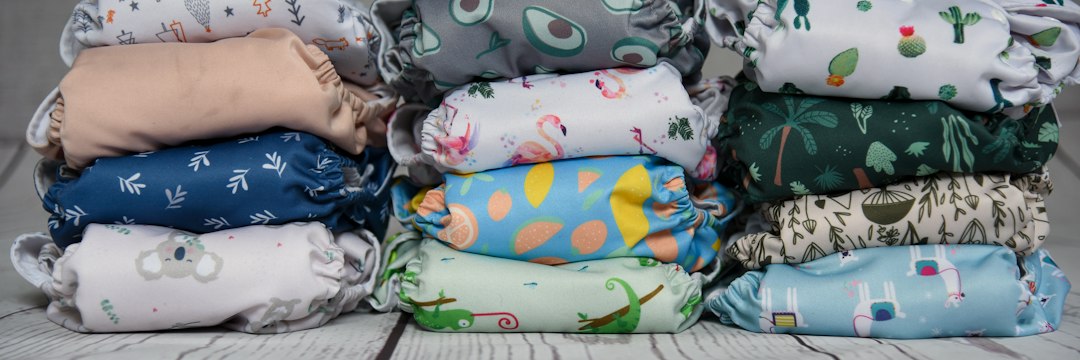
As mainstream products moved toward thin, cloth-backed designs, some adults missed thicker plastic diapers. Specialty makers responded. Bambino says it was the first company to make diapers specifically for the ABDL market, and brands like ABUniverse, Rearz, Tykables and Kiddo have since built whole catalogs around thick, printed, plastic-backed designs.
Why it matters to you: Understanding how a diaper is built helps you read product descriptions with a critical eye. The core, acquisition layer, leak guards and backsheet all affect how dry you feel, how quiet the product is and how long it lasts. When you compare products, look for clear information about these parts rather than relying only on a single capacity number, and remember that fit determines whether all that engineering can do its job.
Quick checklist: Start with a product that matches your absorbency needs, measure your waist and hips before choosing a size, and try samples before buying in bulk. Change promptly, clean gently and use a light barrier cream to protect your skin. Keep a small kit with a spare, wipes and a disposal bag when you go out. If you notice new or worsening leaks, pain, or changes in your urine, talk to a doctor, since many causes of incontinence are treatable.
More on history of disposable diapers
Keep reading with our related guide: Understanding Absorbency Ratings: What Do All Those mL Numbers Mean?.