








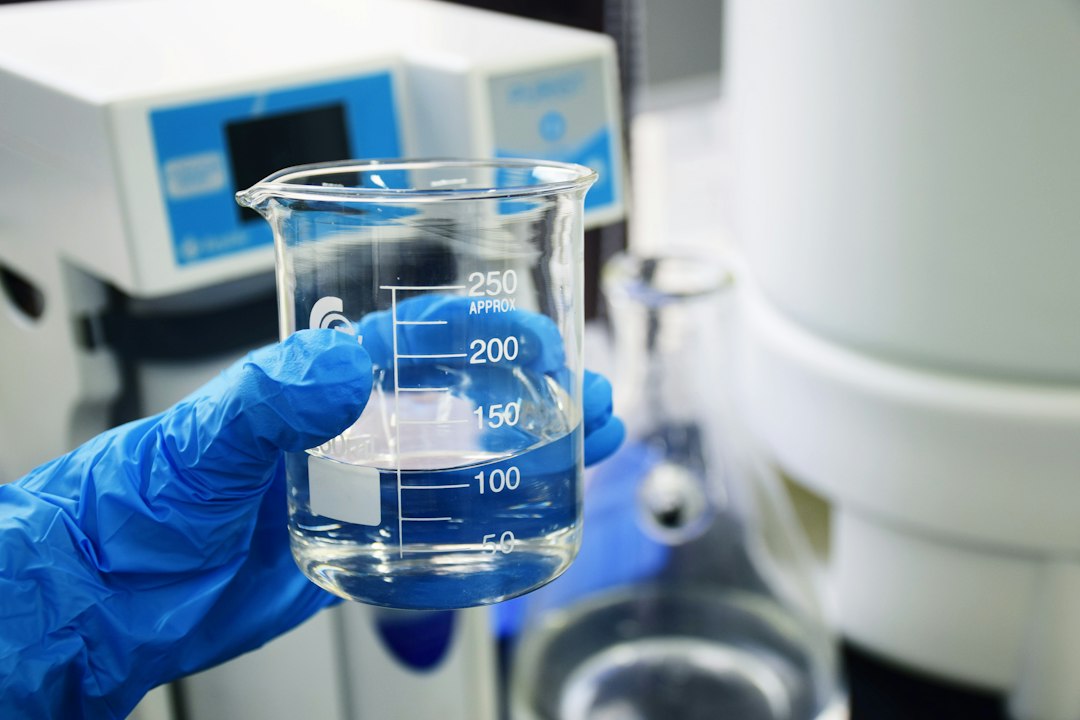
Super-absorbent polymer is the reason a modern diaper can lock away so much liquid. Every modern disposable diaper depends on a remarkable material: super-absorbent polymer, usually sodium polyacrylate. It looks like coarse white sugar, but a small amount can soak up many times its own weight in liquid.
How it works
SAP is a long chain of molecules that are lightly cross-linked into a three-dimensional net. The chains carry charged groups that attract water. When liquid arrives, water is drawn into the net and the polymer swells into a gel. The cross-links stop it from dissolving, so the liquid is locked away rather than just held like a sponge.
Why urine is harder than water
Salts in urine reduce how much SAP can absorb. That’s why lab ratings measured with saline are lower than the eye-popping numbers you’d get with pure water, and why manufacturers’ figures are not always comparable.
Gel blocking
If SAP swells too fast at the point of contact, it can form a gel barrier that stops liquid reaching the rest of the core. Good designs prevent this by mixing SAP with fluff pulp and adding an acquisition layer that spreads liquid out first.
Is it safe?
SAP has been used in hygiene products for decades and is considered non-toxic on skin. The bigger skin concern is moisture sitting against the body, which is why dryness layers and timely changes matter.
Why it matters to you: Understanding how a diaper is built helps you read product descriptions with a critical eye. The core, acquisition layer, leak guards and backsheet all affect how dry you feel, how quiet the product is and how long it lasts. When you compare products, look for clear information about these parts rather than relying only on a single capacity number, and remember that fit determines whether all that engineering can do its job.
More on super-absorbent polymer
Keep reading with our related guide: Understanding Absorbency Ratings: What Do All Those mL Numbers Mean?.