







Diaper absorbency ratings can range from a few hundred to over 9,000 mL, and the reason is in how they’re measured. Shop around and you’ll see wildly different capacity claims. BetterDry Day lists about 730 mL (25 oz). NorthShore MegaMax is advertised at up to 1,450 mL (49 oz). Crinklz claims around 40 oz. Meanwhile TREST says its Elite Briefs hold roughly 9,500 mL and DryBritches rates Posy at 9,000 mL. How can the numbers be so far apart?
Different tests, different numbers
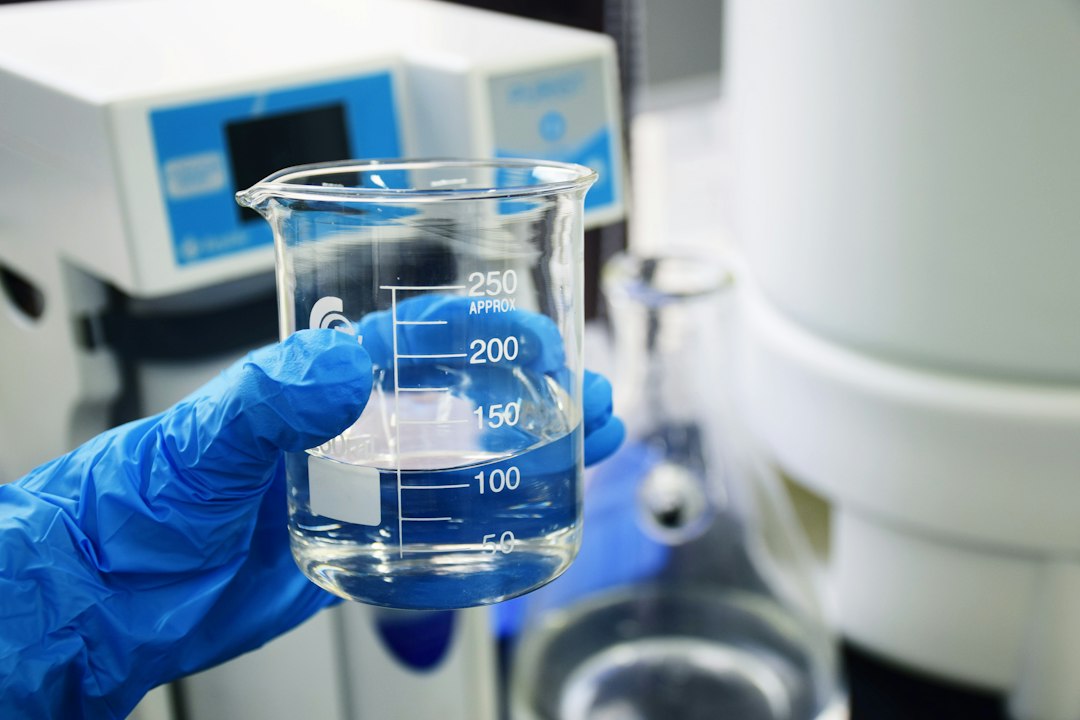
Some figures describe how much liquid a diaper can realistically hold in use before leaking. Others describe total retention capacity of the core measured in a lab, often by soaking the whole product. The second method produces much larger numbers. Neither is dishonest, but they are not measuring the same thing.
How to compare fairly
- Only compare figures from the same type of test, ideally the same brand family.
- Look at descriptions such as “overnight” or “maximum” alongside the number.
- Read real-world reviews about leaks, not just capacity.
- Remember that fit and leg guards decide whether that capacity actually gets used.
The practical takeaway
A diaper with a modest rating that fits well will outperform a higher-rated one that gaps at the legs. Use ratings to shortlist, then let a sample pack decide.
Why it matters to you: Understanding how a diaper is built helps you read product descriptions with a critical eye. The core, acquisition layer, leak guards and backsheet all affect how dry you feel, how quiet the product is and how long it lasts. When you compare products, look for clear information about these parts rather than relying only on a single capacity number, and remember that fit determines whether all that engineering can do its job.
More on diaper absorbency ratings
Keep reading with our related guide: The Science of Super-Absorbent Polymer (SAP).