





Breathable backsheets solve the puzzle of being waterproof yet airy. How can a diaper be completely waterproof and still let air through? The answer is microporous film.
The technology
Breathable backsheets are made from a plastic film filled with tiny mineral particles. When the film is stretched during manufacturing, microscopic pores open around those particles. The pores are large enough for water vapor molecules to escape but far too small for liquid water to pass through.
Cloth-like vs. breathable
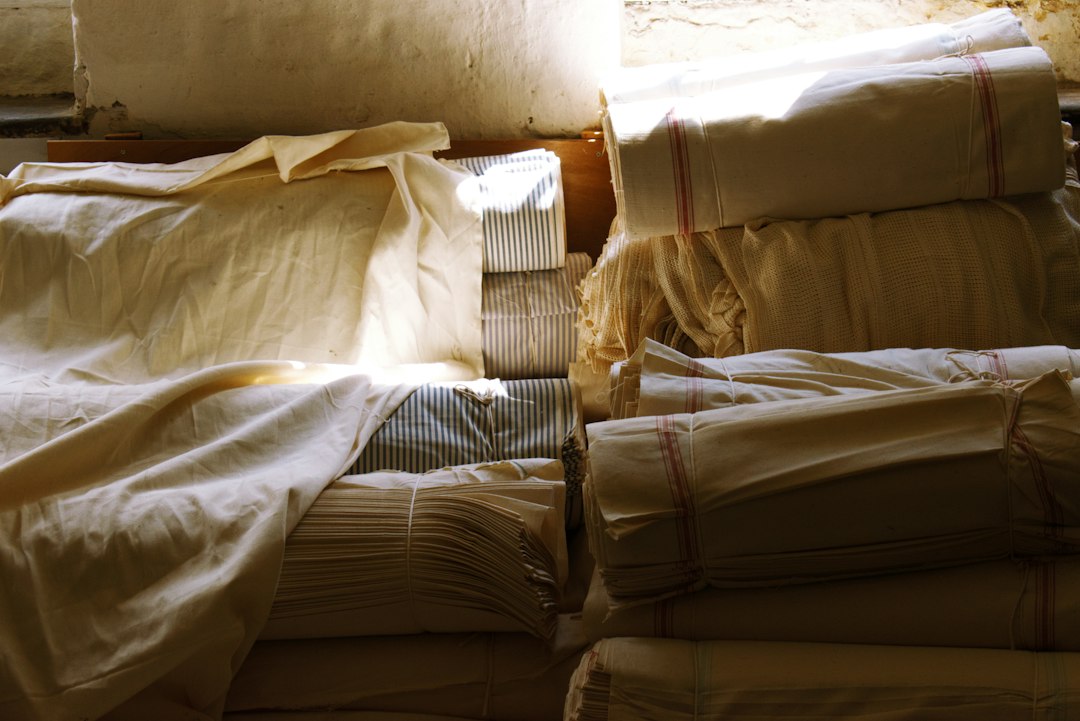
Most “cloth-like” backings are a breathable film laminated to a soft non-woven fabric. The fabric gives the quiet, textile feel; the film provides waterproofing and breathability.
Why it matters
- Lower humidity next to the skin reduces rash risk.
- Cooler to wear, especially in summer.
- Quieter than solid plastic.
Products marketed as breathable include NorthShore’s MegaMax AirLock and Tranquility’s Air-Plus briefs. Solid plastic backings trade some breathability for a more robust barrier and better tape refastening.
Why it matters to you: Understanding how a diaper is built helps you read product descriptions with a critical eye. The core, acquisition layer, leak guards and backsheet all affect how dry you feel, how quiet the product is and how long it lasts. When you compare products, look for clear information about these parts rather than relying only on a single capacity number, and remember that fit determines whether all that engineering can do its job.
Quick checklist: Start with a product that matches your absorbency needs, measure your waist and hips before choosing a size, and try samples before buying in bulk. Change promptly, clean gently and use a light barrier cream to protect your skin. Keep a small kit with a spare, wipes and a disposal bag when you go out. If you notice new or worsening leaks, pain, or changes in your urine, talk to a doctor, since many causes of incontinence are treatable.
More on breathable backsheets
Keep reading with our related guide: Understanding Absorbency Ratings: What Do All Those mL Numbers Mean?.