







Diaper rash in adults is common, but with good skin care it is largely preventable. The biggest health risk of wearing diapers isn’t the diaper itself; it’s prolonged moisture and friction against skin. Incontinence-associated dermatitis is common but largely preventable.
Change promptly
Even the most absorbent core leaves some moisture near the skin. Change after bowel movements right away, and don’t push a wet diaper far beyond its intended wear time. Products marketed for overnight use, such as Tranquility ATN, which is described as lasting six to eight hours, are designed for long wear, but daytime products often aren’t.
Clean gently
- Use a pH-balanced cleanser or no-rinse foam instead of harsh soap.
- Pat dry; don’t rub.
- Use soft, unscented wipes.
Protect with a barrier
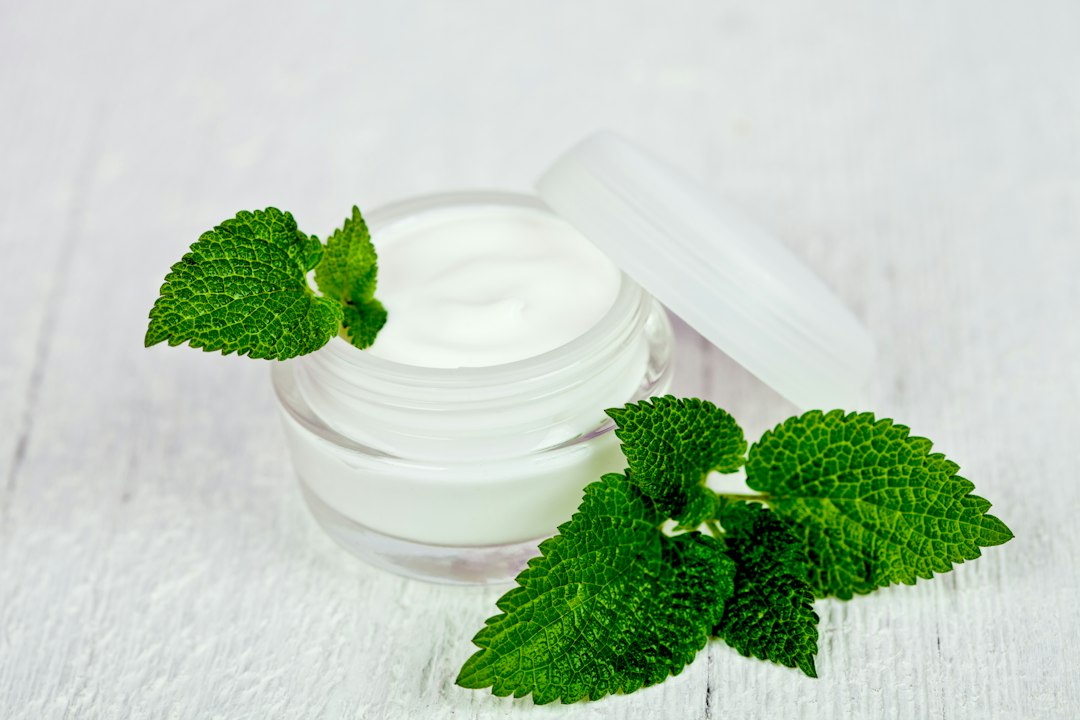
A thin layer of zinc oxide or dimethicone barrier cream keeps moisture off the skin. Apply sparingly: thick layers can clog the topsheet and reduce absorbency.
Let skin breathe
Breathable, cloth-like backings and some time each day without a diaper help. Plastic backing traps more heat, so watch for heat rash in warm weather.
Know the warning signs
Bright red patches with small satellite spots can mean a yeast infection; broken or weeping skin needs medical attention. If redness doesn’t improve within a few days, see a doctor or nurse.
Practical next steps: Keep a simple bladder diary for three or four days, noting drinks, toilet trips, leaks and what you were doing at the time. Bring it to your appointment, along with a list of your medications and supplements. In the meantime, choose protection that matches how much you leak, change promptly to protect your skin, and stay well hydrated. Most importantly, don’t wait for leaks to become severe before asking for help; early assessment often leads to simpler treatment.
More on diaper rash in adults
Keep reading with our related guide: When to See a Doctor About Bladder Leaks.
