





Comparing cloth vs disposable diapers environmentally reveals trade-offs on both sides. Adults who wear diapers every day go through thousands a year, so it’s natural to wonder about the environmental impact. The honest answer is that both options have trade-offs.
Disposables
- Create significant landfill waste, and they break down very slowly.
- Require wood pulp, petroleum-based plastics and SAP to manufacture.
- Use no water or energy for washing at home.
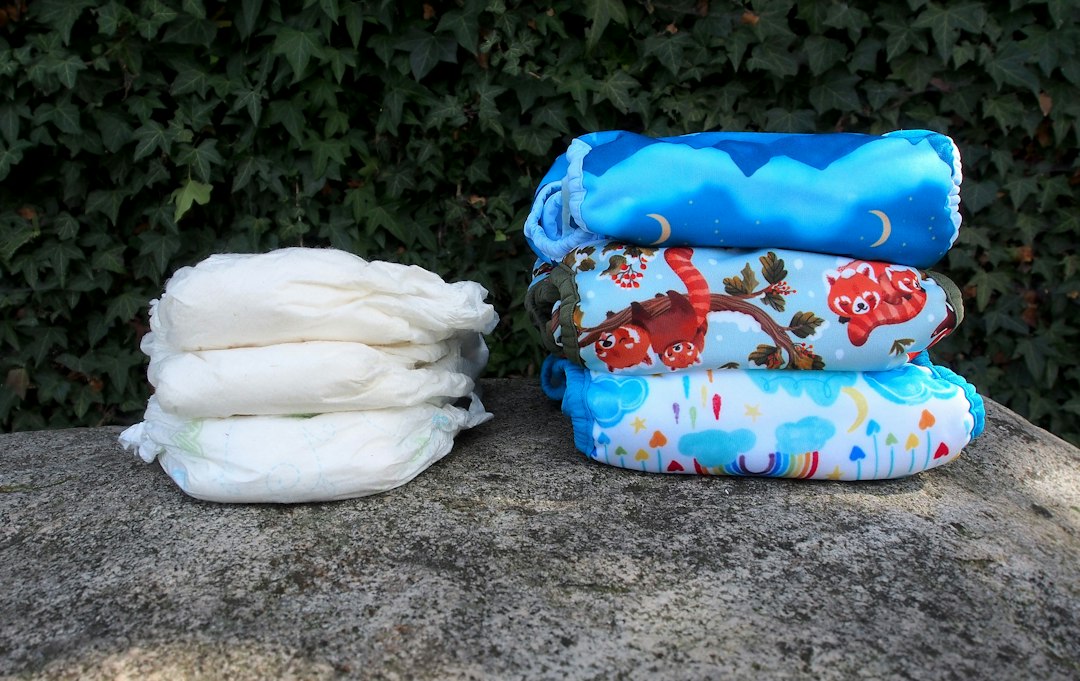
Cloth
- Dramatically reduce solid waste.
- Require water, detergent and energy for hot washing and drying.
- Have a much smaller footprint if you wash full loads, line-dry and use efficient machines.
Practical middle grounds
- Use cloth at home and disposables when out.
- Use a booster to extend a disposable instead of changing the whole diaper.
- Choose the lightest adequate absorbency rather than over-protecting.
Brands such as Rearz offer washable options for those who want to try reusables.
Why it matters to you: Understanding how a diaper is built helps you read product descriptions with a critical eye. The core, acquisition layer, leak guards and backsheet all affect how dry you feel, how quiet the product is and how long it lasts. When you compare products, look for clear information about these parts rather than relying only on a single capacity number, and remember that fit determines whether all that engineering can do its job.
Quick checklist: Start with a product that matches your absorbency needs, measure your waist and hips before choosing a size, and try samples before buying in bulk. Change promptly, clean gently and use a light barrier cream to protect your skin. Keep a small kit with a spare, wipes and a disposal bag when you go out. If you notice new or worsening leaks, pain, or changes in your urine, talk to a doctor, since many causes of incontinence are treatable.
More on cloth vs disposable diapers
Keep reading with our related guide: Understanding Absorbency Ratings: What Do All Those mL Numbers Mean?.